Exploiting Player Tendencies in Anonymous Online Cash Games: A Data-Driven Approach
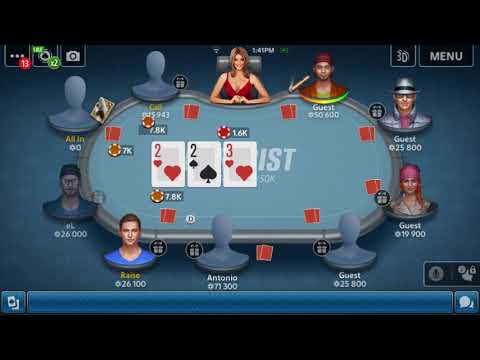
In the high-speed arena of online poker cash games, few formats are as disorienting for the seasoned pro as the anonymous or fast-fold tables offered by giants like GGPoker and PokerStars. Here, the comforting crutch of a Heads-Up Display (HUD) loaded with thousands of hands of opponent-specific data is rendered useless. You cannot track whether “User_4829” is a maniacal three-bettor or a tight-passive rock; each hand is a fresh encounter with a statistical ghost. This environment, however, is not a strategic wasteland. It presents a unique opportunity to exploit the aggregated tendencies of the player pool itself, turning the lack of individual reads into a powerful, data-driven advantage. By analyzing broad hand history datasets and understanding the meta that governs these anonymous pools, astute players can construct a highly profitable, exploitative strategy.
The Anatomy of an Anonymous Pool: Collective Psychology Over Individual Profiles
When you cannot exploit a person, you must exploit a population. The foundational principle for success in anonymous games on platforms like PokerStars’ “Zone Poker” or GGPoker’s “All-In or Fold” and fast-fold cash tables is a shift in mindset. Your opponent is not the anonymous avatar in the seat; your opponent is the collective behavioral trend of the entire pool of players at your stake level. Data aggregated from millions of hands across these sites reveals consistent, exploitable patterns. For instance, lower-stakes anonymous pools are often characterized by a higher frequency of passive post-flop play and a surprising willingness to call down with marginal holdings. At mid-stakes, aggression might spike, but often in predictable, unbalanced ways. The first actionable tip is to immediately categorize your table not by the players, but by the stake. Your opening strategy from under the gun at $0.50/$1 should be fundamentally different from your strategy at $5/$10, not because of who is sitting there, but because the data tells us how the respective pools react.
Preflop Adjustments: Building a Data-Backed Opening Range
Without HUD stats, preflop becomes your primary battleground for exploitation. The key is to understand the pool’s calling and three-betting tendencies. Analysis of hand histories shows that many anonymous pools, particularly in fast-fold formats, exhibit a “call-happy” dynamic from the blinds. Players, freed from the fear of being tagged as a “blind defender” in a database, often defend wider than is theoretically optimal. This makes blind steals with a wider, yet still disciplined, button and cutoff range highly profitable. Conversely, you can tighten your own blind defending ranges slightly, knowing that the pool’s opening ranges from late position are likely inflated. Furthermore, three-bet bluffing becomes a nuanced art. In pools where three-bet percentages are low, increasing your own three-bet frequency, especially against late position opens, prints money. Your bluffs should be hands that have good blocker effects, like Ace-x suited or suited connectors, which also retain equity when called.
Navigating Three-Bet Pots as the Aggressor
When you do three-bet and face a call, the flop strategy is dictated by pool tendency. A common leak in anonymous games is that players tend to under-defend their continuing range in three-bet pots. They call preflop with hands like suited connectors or broadway cards and then fold too often on flops that miss their perceived range. Therefore, a more aggressive and frequent continuation betting strategy on a wider array of flop textures is warranted. Your c-bet size can often be smaller, applying maximum pressure with a higher frequency. This approach exploits the pool’s tendency to overfold in these high-pressure scenarios where they lack a clear read on your perceived strength.
Post-Flop Exploitation: Leveraging Passivity and Over-Folding

The post-flop landscape in anonymous cash games is where the most significant edges are often found. The lack of history creates a fertile ground for two major exploitative strategies: barreling relentlessly against passivity and implementing a disciplined overbet strategy against capped ranges.
Capitalizing on Check-Back Tendencies
A pervasive tendency in lower to mid-stakes anonymous pools is for players to check back the flop with a high frequency when they are the preflop aggressor and face multiple callers. They often do this with strong but vulnerable hands, like top pair, fearing a check-raise from an unknown entity. This presents a golden opportunity. When you are in position and face a flop check from the preflop raiser, your propensity to launch a bluff on the turn should increase dramatically. Their check often signifies weakness or indecision. A well-timed turn bet, especially on cards that complete draws or change the board texture, will yield an extraordinarily high success rate. Your bluff candidates are any hands with backdoor equity or even complete air, capitalizing on the pool’s fundamental fear of playing big pots without a clear informational advantage.
The Power of the Polarizing Overbet
Another data-driven insight is that anonymous players struggle profoundly with facing large, polarizing bets. When you develop a nutted hand—a flush, a straight, or a top set—on a dynamic board, consider using an overbet sizing for your value bets. The pool’s tendency is to call these large bets too wide with second-best hands like two pair or weak top pairs, interpreting the large bet as a bluff from an anonymous player trying to buy the pot. Conversely, you can incorporate strategic overbet bluffs on scary runouts, particularly when your line is consistent with a strong value hand. For example, if you double-barrel on a wet board and the river completes a obvious draw, a massive overbet bluff can be highly effective. The anonymous opponent, holding a marginal hand like a pair, is forced to make a daunting decision for a huge portion of their stack without any history to guide them, leading to a high fold rate.
Adjusting Your Mental Model and Table Selection
Your mental approach must be one of fluid adaptability. Since you cannot note individual tendencies, you must note table dynamics. Is the table generally passive, allowing you to ramp up aggression? Or is it a tough, aggressive table where a tighter, more trapping strategy is better? Even in anonymous formats, table selection matters. If you sit at a fast-fold table and immediately face multiple three-bets, it might be more efficient to leave and find a softer pool. Furthermore, your own image is reset every hand, but your immediate history at the table is not entirely invisible. If you have shown down three big bluffs in the last ten minutes, the players currently at the table may adjust subconsciously. Be prepared to tighten up and show down a legitimate value hand to reset perceptions, even if those perceptions are fleeting and attached to your temporary screen name.
Bankroll Management and the Variance of Exploitation
Implementing a highly exploitative strategy in an environment devoid of concrete reads inherently increases variance. Your aggressive three-betting will run into more premium hands. Your well-timed turn bluffs will get looked up. This makes robust bankroll management non-negotiable. A dedicated cash game bankroll for these formats should be deeper than for traditional tracked games. A common guideline is to have at least 30-40 buy-ins for your chosen stake to weather the inevitable swings that come with applying constant pressure. The data-driven approach is about long-term expectation, not short-term session results. Sticking to your stake, avoiding tilt-induced stake jumping after a bad run, and maintaining discipline in your game selection are the bedrocks upon which this strategy generates profit.
Playing poker is intended to be a form of entertainment. The strategies discussed are for competitive play, but it is vital to maintain a healthy relationship with the game. Always set strict limits on the time and money you are willing to spend before you log on. Never chase losses, and never play when you are emotionally distressed or under the influence. Poker should be a challenging and enjoyable pastime, not a source of financial or emotional stress. If you feel your gambling is becoming a problem, organizations like Gamblers Anonymous provide crucial support and resources. Remember, the ultimate goal is to enjoy the intellectual challenge of the game responsibly.

Written by