Decoding the WSOP Player of the Year Race: $1M Leaderboard Strategy
The World Series of Poker Player of the Year race has evolved from a prestigious bragging right into a high-stakes, season-long battle with a tangible seven-figure prize pool. With the WSOP strategically tying points from its traditional Las Vegas summer series, online bracelet events, and the WSOP Paradise festival into a unified year-end narrative, the competition has never been more intense or globally accessible. For international players, navigating this expanded landscape requires a sophisticated strategy that goes beyond simply playing every event. Decoding the WSOP POY leaderboard involves understanding the nuanced points system, optimizing a global tournament schedule, and making calculated decisions to maximize point accumulation against a field of the world’s best, including past champions like Shaun Deeb, Daniel Negreanu, and Phil Hellmuth, all of whom have fiercely targeted the title in recent seasons.
Understanding the WSOP POY Points System Architecture
At the core of any leaderboard strategy is a deep comprehension of how points are awarded. The WSOP POY system is not a simple payout ladder conversion; it is a proprietary formula that weighs factors like buy-in, field size, and finishing position. Crucially, points are heavily concentrated at the final table, with the winner of a major field event accruing a massively disproportionate share. This structure inherently favors players who can consistently navigate large fields and secure deep runs over those who grind out numerous min-cashes. Furthermore, the integration of WSOP.com online bracelet events and the international WSOP Paradise series in The Bahamas broadens the calendar, offering points-earning opportunities outside the traditional summer frenzy in Las Vegas. This architectural understanding is the first step: recognizing that chasing volume alone is a losing proposition compared to targeting high-value, high-visibility events where a single deep run can catapult a player up the standings.
The Weight of Bracelet Events and Field Size
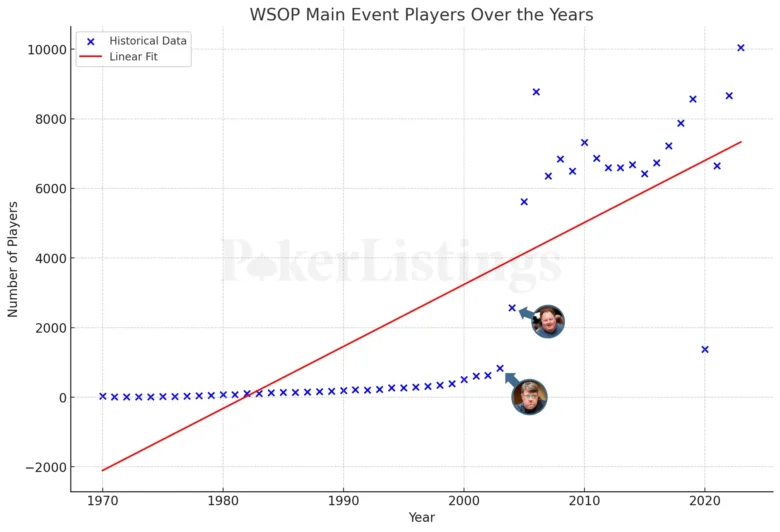
Not all bracelet events are created equal in the POY race. The $10,000 Main Event Championship, with its thousands of entrants, offers a points bonanza for the final table participants. Similarly, high-roller events like the $50,000 Poker Players Championship or the $100,000 High Roller, despite smaller fields, carry significant weight due to their elite buy-ins and prestige. A victory in one of these tournaments can single-handedly define a player’s entire POY campaign. Conversely, smaller field events with lower buy-ins, while still valuable, offer a smaller absolute points ceiling. The strategic implication is clear: players serious about the leaderboard must build a schedule that prioritizes participation in these flagship tournaments, balancing the shot at a life-changing score with the potential for a massive points haul.
Online and Paradise: Expanding the Battlefield
The inclusion of online bracelet events on WSOP.com and the live WSOP Paradise series has fundamentally altered the POY dynamic. For international players, especially those based outside the United States, the online series provides a critical avenue to accumulate points without the immediate need for travel. It allows for tactical point gathering and maintaining leaderboard presence throughout the year. WSOP Paradise, with its suite of high-value tournaments in a resort setting, creates another concentrated point-scoring opportunity late in the season, often acting as a dramatic final battleground that can reshuffle the leaderboard. A player like Daniel Negreanu, known for his meticulous scheduling, must now account for these additional pillars in his annual plan, weighing travel, buy-ins, and energy across a truly global circuit.
Crafting an International Tournament Schedule for POY Success
For an international player, the challenge is magnified by logistics, currency considerations, and the sheer cost of a protracted campaign. A winning schedule is not about playing every event; it is about intelligent selection and resource management. The first principle is to anchor the calendar around the Las Vegas summer series, blocking out a significant period for the core bracelet events. This period demands peak mental and physical preparedness, as the density of opportunities is unmatched. The strategic player will then layer in the online bracelet series, participating from their home country to build a points foundation or chase a late surge. Finally, WSOP Paradise must be evaluated as a potential season-ending climax, a chance to overtake rivals in a last-ditch effort. This tripartite framework—Vegas summer, online grind, Paradise finale—forms the skeleton of a modern POY campaign.
Bankroll and Energy Management Over a Long Season
The financial and emotional toll of a POY pursuit cannot be overstated. Chasing points can lead to suboptimal poker decisions, such as jumping into a high buy-in event when tired or playing beyond one’s bankroll because “the points are good.” A sustainable strategy requires a dedicated POY bankroll separate from one’s core poker funds, acknowledging that some buy-ins are investments in leaderboard positioning. Equally important is scheduling downtime. The marathon exemplified by players like Shaun Deeb, who is renowned for his volume and stamina, involves deliberate rest periods to avoid burnout. This means skipping certain lower-priority events, even if they offer points, to be fresh for the high-weight tournaments where a deep run has monumental impact.
Tactical Play Adjustments for Leaderboard Aspirants
Once the schedule is set, in-game strategy must also adapt to the POY context. The points system’s skew towards final tables and wins subtly changes chip value in the late stages of a tournament. In a pure monetary sense, a deal at the final table might make financial sense. However, for a player in the thick of the POY race, the points awarded for an outright victory could be more valuable than the extra few thousand dollars sacrificed in a deal. This doesn’t mean playing recklessly, but it does mean recognizing moments where the leaderboard math should influence decision-making. Furthermore, being aware of the POY standings of opponents at your table can be insightful; a rival near the top might play more conservatively to secure a cash and its attendant points, while one desperate for a big score might be more aggressive.
Learning from the Contenders: Case Studies in POY Strategy
Observing the approaches of perennial contenders offers invaluable lessons. Daniel Negreanu’s strategy has often involved a packed schedule of high-variance, high-reward events, leveraging his immense skill and bankroll to chase the big scores that deliver massive points. Shaun Deeb, on the other hand, has demonstrated the power of relentless volume combined with exceptional skill in mixed games, accumulating points through consistent cashes and deep runs across a wider array of events. Phil Hellmuth’s quest for POY glory showcases the emotional drive and the potential for a single spectacular series to catapult a player into contention. These contrasting styles—the targeted sniper, the volume grinder, the explosive specialist—highlight that there are multiple paths to the top, but each requires unwavering commitment and a plan tailored to a player’s specific strengths and resources.
The Mental Game: Embracing the Marathon
The psychological burden of a season-long race is unique. Players must cope with the public nature of the leaderboard, the constant scrutiny, and the inevitable swings. A bad week in Vegas can seem devastating, but the modern POY calendar offers redemption through online events and Paradise. Successful contenders cultivate a long-term perspective, treating each tournament as an individual opportunity while keeping one eye on the cumulative goal. They avoid the trap of chasing losses by entering ill-advised events just for points, understanding that discipline over a ten-month season is what ultimately separates the champion from the rest of the field. It is a test of patience, resilience, and strategic clarity as much as poker skill.
Engaging in any poker tournament series, especially with the goal of competing for a season-long title, requires significant financial commitment and emotional fortitude. It is crucial to set strict limits for both time and money spent on poker, viewing buy-ins as entertainment expenses you can afford to lose. The pursuit of points should never come at the cost of personal well-being or financial stability. If you feel that gambling is ceasing to be enjoyable or is causing stress, reputable organizations like Gamblers Anonymous and Gambling Therapy offer confidential support and resources. Remember, playing within your limits is the most important strategy of all.

Written by